MỤC LỤC & TỔNG QUAN TÁC PHẨM
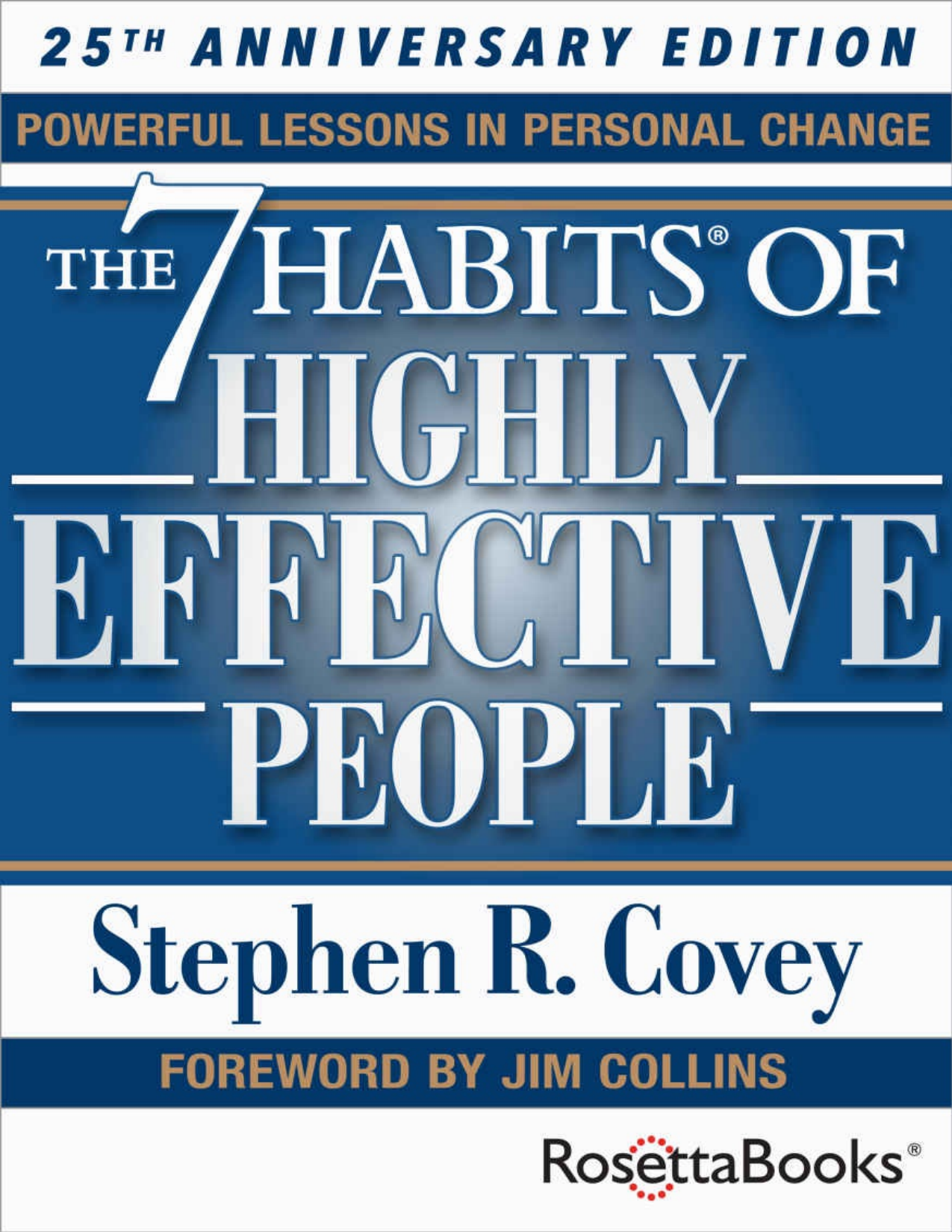
Tác phẩm “The 7 Habits of Highly Effective People”
📖 Trải nghiệm Đọc sách số E-Reader (Kindle & Apple Books UX)
Tự động chia trang theo kích thước màn hình, lật trang cảm ứng mượt mà, đổi cỡ chữ và chế độ Sepia/Dark.
📑 Toàn bộ mục lục chi tiết (73 mục)
Foreword by Jim Collins & Family Tribute
📄 tr. 1 – 14
Foreword to the 25th Anniversary Edition by Jim Collins
📄 tr. 1 – 8
A Covey Family Tribute to a Highly Effective Father
📄 tr. 8 – 14
Foreword to the 2004 Edition by Stephen R. Covey
📄 tr. 15 – 21
Foreword to the 2004 Edition
📄 tr. 15 – 21
Part One: Paradigms & Principles – Inside-Out
📄 tr. 22 – 52
Inside-Out: The Foundations of Effectiveness
📄 tr. 22 – 25
The Personality Ethic and the Character Ethic
📄 tr. 25 – 28
Primary and Secondary Greatness
📄 tr. 28 – 32
The Power of a Paradigm
📄 tr. 32 – 35
The Power of a Paradigm Shift
📄 tr. 35 – 39
Seeing and Being
📄 tr. 39 – 42
The Principle-Centered Paradigm
📄 tr. 42 – 46
Principles of Growth and Change
📄 tr. 46 – 49
The Way We See the Problem Is the Problem
📄 tr. 49 – 52
Part One: The 7 Habits — An Overview
📄 tr. 53 – 68
“Habits” Defined
📄 tr. 53 – 56
The Maturity Continuum
📄 tr. 56 – 59
Effectiveness Defined: The P/PC Balance
📄 tr. 59 – 62
Three Kinds of Assets: Physical, Financial, and Human
📄 tr. 62 – 65
Organizational PC and How to Use This Book
📄 tr. 65 – 68
Habit 1: Be Proactive (Principles of Personal Vision)
📄 tr. 69 – 93
The Social Mirror and Determinism
📄 tr. 69 – 72
Between Stimulus and Response
📄 tr. 72 – 75
“Proactivity” Defined & Taking the Initiative
📄 tr. 75 – 78
Act or Be Acted Upon & Listening to Our Language
📄 tr. 78 – 81
Circle of Concern / Circle of Influence
📄 tr. 81 – 84
Direct, Indirect, and No Control
📄 tr. 84 – 87
The “Haves” and the “Bes” & The Other End of the Stick
📄 tr. 87 – 90
Making and Keeping Commitments: 30-Day Test & Application Suggestions
📄 tr. 90 – 93
Habit 2: Begin with the End in Mind (Principles of Personal Leadership)
📄 tr. 94 – 141
What It Means to “Begin with the End in Mind”
📄 tr. 94 – 100
All Things Are Created Twice: Design or Default
📄 tr. 100 – 107
Leadership and Management—The Two Creations
📄 tr. 107 – 114
A Personal Mission Statement & Alternative Centers
📄 tr. 114 – 121
A Principle Center: Security, Guidance, Wisdom, and Power
📄 tr. 121 – 128
Using Your Whole Brain to Write and Live Your Mission
📄 tr. 128 – 135
Family and Organizational Mission Statements & Application Suggestions
📄 tr. 135 – 141
Habit 3: Put First Things First (Principles of Personal Management)
📄 tr. 142 – 172
The Power of Independent Will & Four Generations of Time Management
📄 tr. 142 – 148
Quadrant II: The Heart of Effective Personal Management
📄 tr. 148 – 154
What It Takes to Say “No” & Moving into Quadrant II
📄 tr. 154 – 160
The Quadrant II Tool & Becoming a Quadrant II Self-Manager
📄 tr. 160 – 166
Delegation: Increasing P and PC Through Stewardship Delegation
📄 tr. 166 – 172
Part Three: Paradigms of Interdependence
📄 tr. 173 – 194
Public Victory and the Emotional Bank Account
📄 tr. 173 – 180
Six Major Deposits into the Emotional Bank Account
📄 tr. 180 – 187
The Laws of Love and Life & P Problems Are PC Opportunities
📄 tr. 187 – 194
Habit 4: Think Win/Win (Principles of Interpersonal Leadership)
📄 tr. 195 – 225
Six Paradigms of Human Interaction
📄 tr. 195 – 205
Five Dimensions of Win/Win: Character and Relationships
📄 tr. 205 – 215
Win/Win Agreements, Supportive Systems, and Processes
📄 tr. 215 – 225
Habit 5: Seek First to Understand, Then to Be Understood
📄 tr. 226 – 251
Character and Communication & Empathic Listening
📄 tr. 226 – 234
Diagnose Before You Prescribe & Four Autobiographical Responses
📄 tr. 234 – 243
Understanding and Perception, Then Seek to Be Understood & Application Suggestions
📄 tr. 243 – 251
Habit 6: Synergize (Principles of Creative Cooperation)
📄 tr. 252 – 275
Synergistic Communication in the Classroom and Business
📄 tr. 252 – 260
Fishing for the Third Alternative & Negative Synergy
📄 tr. 260 – 268
Valuing Differences, Force Field Analysis, and All Nature as Synergistic
📄 tr. 268 – 275
Habit 7: Sharpen the Saw (Principles of Balanced Self-Renewal)
📄 tr. 276 – 296
Four Dimensions of Renewal: Physical and Spiritual
📄 tr. 276 – 283
Mental and Social/Emotional Dimensions & Scripting Others
📄 tr. 283 – 290
Balance, Synergy in Renewal, and the Upward Spiral
📄 tr. 290 – 296
Inside-Out Again & Afterword
📄 tr. 297 – 318
Inside-Out Again: The Intergenerational Bond & Transition Person
📄 tr. 297 – 308
Afterword: Questions I Am Often Asked
📄 tr. 308 – 318
Appendices: Center Perceptions & Quadrant II Day
📄 tr. 319 – 327
Appendix A: Possible Perceptions Flowing out of Various Centers
📄 tr. 319 – 323
Appendix B: A Quadrant II Day at the Office
📄 tr. 323 – 327
A Final Interview with Stephen R. Covey
📄 tr. 328 – 341
A Final Interview with Stephen R. Covey
📄 tr. 328 – 335
Endnotes and Reference Resources
📄 tr. 335 – 341